
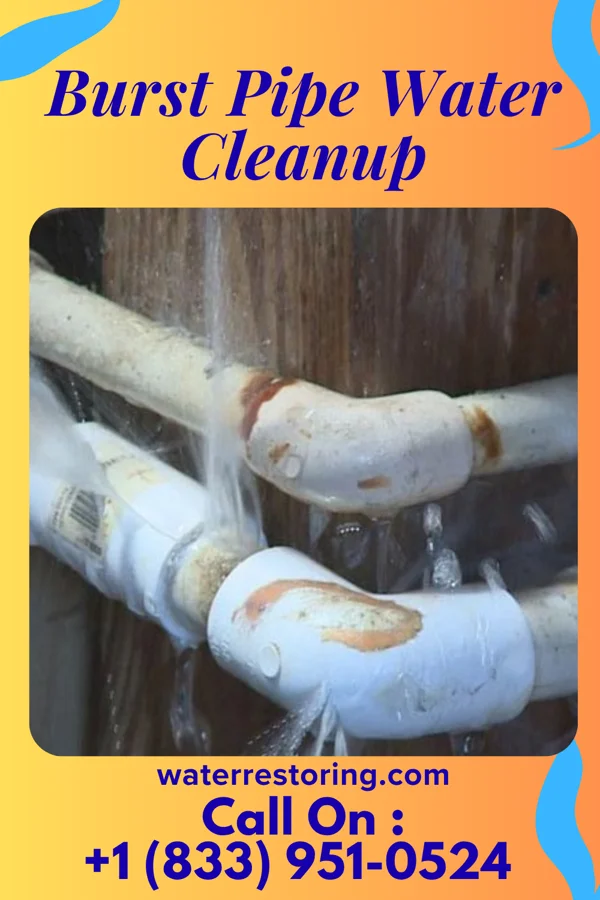
Hidden Burst Pipes in Sycamore
Property owners across Sycamore call certified water damage restoration when Sycamore, Illinois, experiences a mix of suburban and rural infrastructure, which can lead to aging pipes in older homes and commercial buildings. The city's proximity to Cortland and DeKalb means some areas may have outdated plumbing systems that are more prone to bursts, especially during temperature fluctuations.. A close second is The presence of numerous residential and commercial properties in Sycamore, including those near Genoa and DeKalb, increases the likelihood of pipe bursts due to higher water usage and pressure. Additionally, the city's suburban layout can result in longer water lines that are more susceptible to freezing and bursting during harsh winters..
Sycamore's climate, characterized by cold winters and warm summers, plays a critical role in pipe burst risks. The city's location in Dekalb County, with its suburban and rural mix, means that both residential and commercial properties must be prepared for seasonal pipe failures, especially during winter and spring transitions.
Sycamore's climate, characterized by cold winters and warm summers, plays a critical role in pipe burst risks. The city's location in Dekalb County, with its suburban and rural mix, means that both residential and commercial properties must be prepared for seasonal pipe failures, especially during winter and spring transitions. The dominant local driver is Sycamore, Illinois, experiences a mix of suburban and rural infrastructure, which can lead to aging pipes in older homes and commercial buildings. The city's proximity to Cortland and DeKalb means some areas may have outdated plumbing systems that are more prone to bursts, especially during temperature fluctuations., with The presence of numerous residential and commercial properties in Sycamore, including those near Genoa and DeKalb, increases the likelihood of pipe bursts due to higher water usage and pressure. Additionally, the city's suburban layout can result in longer water lines that are more susceptible to freezing and bursting during harsh winters. showing up as the next most common cause. Damage builds in stages. Spread. Absorption. Microbial growth. Structural compromise. Every stage you pass through adds to the final bill.